Limor Moyal ”Chariots on the Highway”

25430078

Grāmatas apraksts no Goodreads/Synopsis from Goodreads:

Every year, young men come from all over the world to join the IDF and fight for Israel. They leave everything behind and become what are known as lone soldiers.

Tom, a young man from Kansas, has traveled to Israel to fight for his people. He came to fight, he came to escape.
Dan Green has it all. He owns Greentech technologies, lives in a small mansion near Tel Aviv, and looks like a movie star. But his blue eyes are hiding a storm that threatens to crush him.
Dan and Tom cross paths at a crucial point in their lives. Neither of them thought that what began as volunteering would change everything they thought they knew.
This is a journey of exploration and discovery, about asking the right questions and finding the answers.
In the traffic jams of Ayalon Highway, the bustle of the city, on the battlefield, and deep in their dreams, together they peel off layers of pain… and find themselves.

Kā tiku pie šīs grāmatas?/How I got this book?

Laimēju Goodreads izlozē

Vērtējums/Rating: 4/5

Mana recenzija/My review

Jau pirms šīs grāmatas biju lasījis M/M romantiku, bet tas bija vien īsais stāsts, tomēr nemaz tik traki nebija, ņemot vērā, ka romantiku parasti nelasu, kur nu vēl M/M.

Tātad, miljonārs un kompānijas GreenTech īpašnieks Dens pēc smagas un dārgas šķiršanās jūtas izsmelts, un arī pati laulība nebija nekāda laimes zeme. Dena raksturs arī ir pie vainas pie attiecībām ar citiem, tai skaitā ģimeni. Pēc psihologa un asistentes ieteikuma dēļ uzņemas labdarīgu, brīvprātīgu rīcību, bet jau minētā rakstura dēļ tas nav no ierastajiem – piekrīt uzņemt kareivi no IDF, šis kareivis (Toms) atšķiras ar to, ka dzimis ASV un brīvprātīgi devies uz Izraēlu uz trīs gadu termiņu IDF spēkos.

Ja Toms jau no bērnības apzinājies savu seksuālo orientāciju, tad Dens to apjauš vien pēc šķiršanās uz kareivja izmitināšanas. Atšķiras arī abu īpašības un izturēšanās. Jābrīdina, ka intīmie brīži diezgan atklāti aprakstīti, noteikti ~18+ lasāmviela.

Patika tēlu savstarpējās attiecības, to attīstība. Dens atjauno attiecības ar pamāti Floru, pirms viņa apsteidz vēzi, un arī ar garīgi slimo vecāko brāli Adamu. Bet arī Tomam ģimenes ziņā nebūt nav ideāli, jo viņi (ortodoksālie ebreji) nezina par dēla orientāciju un situāciju neatvieglo reliģija.

Par Denu vēl varētu piebilst, ka viņš pavisam droši nevarētu būt Mītbasteru fans, jo izgāšanās/neveiksme nav viņam pieņemama iespēja.

Vairāk par autores pirmo romānu viņas mājaslapā.


Before this M/M romance book I had read only one somewhat similar story, and I have to admit that this one wasn’t that bad knowing that I don’t usually read romance.

So Dan millionaire and owner of GreenTech after hard and expensive divorce feels empty and exhausted, also the marriage itself wasn’t any happy land. Dan has a difficult nature it doesn’t help in relationships. After advice from his assistant and psychologist he agrees to volunteer – he agrees to house soldier from Israel Defense Forces (IDF) but this soldier (Tom) was born in USA and volunteered to serve three years in these forces.

Tom knew about his sexuality as early as his childhood but Dan realized it only after divorce and after meeting Tom. There are also differences in their characteristics and behavior. I should warn that sexy times are pretty explicit.

I liked relationships between different characters, their development. Dan revives his relationship with his stepmother Flora and mentally ill older brother Adam. But Tom’s relationship with his family isn’t perfect (they don’t know) and religion doesn’t help, they are orthodox Jews.

About Dan I could add that he couldn’t be a fan of Mythbusters because for him failure isn’t an option.

For some reason only after I finished the book I noticed that the title is Chariots on the Highway and no Chariots on the Way :D.

More information about this debut novel on the web page.

Guest Post – Blog Tour of Sleeping with the Blackbirds by Alex Pearl

sleepingwiththeblackbirds

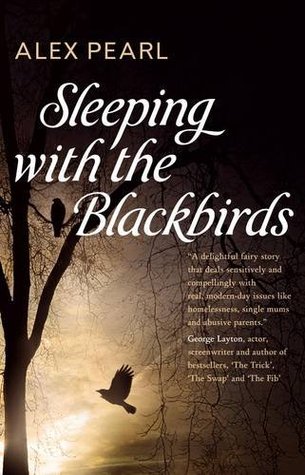
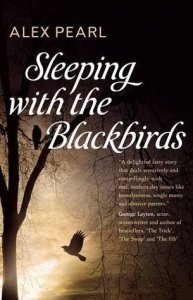
About Sleeping with the Blackbirds:

Eleven-year-old schoolboy, Roy Nuttersley has been dealt a pretty raw deal. While hideous parents show him precious little in the way of love and affection, school bullies make his life a misery. So Roy takes comfort in looking after the birds in his suburban garden, and in return the birds hatch a series of ambitious schemes to protect their new friend.

As with the best-laid plans, however, these get blown completely off course – and as a result the lives of both Roy and his arch tormentor, Harry Hodges are turned upside down. While Harry has a close encounter with God, Roy embarks on a voyage of discovery that draws in and impacts on everyone around him, including the local police, his headmaster and the national media. Where will it all end, and will life ever be quite the same for Roy Nuttersley?

Links

https://www.goodreads.com/book/show/14609964-sleeping-with-the-blackbirds?ac=1

https://www.facebook.com/sleepingblackbirds

http://www.amazon.co.uk/Sleeping-Blackbirds-Alex-Pearl/dp/1780030134

http://www.sleepingwiththeblackbirds.co.uk

https://uk.pinterest.com/alexbpearl/sleeping-with-the-blackbirds/

Guest Post: Sleeping with the Blackbirds

HOW IT ALL CAME ABOUT

Imagine if you will an extremely short-sighted, slightly shambolic advertising copywriter sitting in a brand new high-tech glass egg box of a building somewhere in central London. On the other side of the desk is his partner in crime, or more accurately, his art director of some 25 years standing. They are survivors in an industry that gobbles up and spits out more creative teams than the average Jo has had hot dinners. But the writing is now on the wall. The art director has had enough. He is an artist and hates digital technology. He came into this business with a pad and pen and a head full of big ideas. He’s not interested in producing slick digital layouts so much as inventive concepts roughly sketched with a felt-tipped pen. So he’s just announced to his other half that he’s handing in his notice to take early retirement and pursue his dreams of becoming an artist in Germany. To add to the copywriter’s woes, the company has got in on the act and made an announcement of its own. They have just made the monumental decision that morning to merge with New York’s second oldest advertising agency. The merger would be one of the largest global mergers for some years, and would, according the board of management, be an ‘exciting time’ for everyone. These were the words that resonated ominously in the copywriter’s ears. The words ‘exciting times’ were, as far as he was concerned, a euphemism for wholesale redundancies. Everyone could see that the merger of these two dying breeds was tantamount to the Hindenburg coming to the rescue of the Titanic. It was doomed to failure.

The copywriter in this scenario is none other than my good self and the year is 2009. As it turned out, I survived for a little longer than I had anticipated – around three months if my memory serves me correctly. Yet it was one of the most satisfying three months of my entire career. Why? Because for once in all those years of writing for clients, I found myself writing for a truly wonderful client; one that seemed happy to run with every word I penned. The client, of course, was myself. I was writing for my own amusement. While my art director worked out his month’s notice by furiously arranging the sale of his house and making plans for his exodus, I began writing my own piece of fiction aimed at young readers the same age as my son who was 12 at the time.

The story was inspired initially by my young son’s interest in peering through binoculars from his bedroom window at an old oak tree growing behind our house. The tree is several hundred years old, towers above the tree line and attracts all manner of birds including woodpeckers and owls whose haunting hoots can be heard of an evening. And like all works of fiction, once I began writing, the story started to evolve and take on a life of its own. And before I knew it I had written several chapters.

By the time I was eventually asked to vacate the premises and place all my worldly possessions, such as they were, into a cardboard box, the only item in that office of any worth to me was a fairly tatty manuscript entitled ‘Sleeping with the Blackbirds’. Strangely enough, the title for the story came to me before I’d even fully formulated the plot and written the first few pages. But it instinctively felt right and had a certain ring to it that I just liked.

WELCOME TO THE WORLD OF ROY NUTTERSLEY

My tale revolves around Roy Nuttersley, an ungainly 11-year-old schoolboy whose miserable life is made all the more miserable by his despicable parents who are so wrapped up in their own highly toxic and confrontational relationship that they barely notice their own son. On top of this Roy has to contend with Harry Hodges, the school bully and his cronies.

To console himself, Roy looks after the birds in his suburban garden, and unbeknown to him, the birds hatch a series of ambitious plans to help their new friend.

One such plan sees Canadian Geese going into training as a squadron of fearsome bird pooing bombers. But as with the best-laid plans, these elaborate schemes miserably fail to achieve their desired objectives.

Instead, their impact sets in motion far reaching consequences for both Roy and his arch-tormentor, Harry Hodges. Both of whom are forced to re-assess their own lives. While Harry has a close encounter with God, Roy sets out on a voyage of discovery that will change his life for good.

The story had taken shape in my head and I could see the twist in its tail from the outset.

ARE THERE THEMES FROM THE STORY THAT CHILDREN CAN LEARN FROM?

There are certainly themes that I wanted to weave into the storyline. First and foremost though I wanted to write a story that would entertain and amuse kids. And I wanted to use good old-fashioned and colourful language. I believe passionately in respecting the intelligence of my audience, so I will never set out to dumb down and use limited vocabulary just because the kids who read my story may have limited vocabulary. All children are smart. They’ll have the intelligence to work out the meanings for themselves  in the context of the sentences; and they’ll increase their vocabulary as a result.

As for the underlying themes, I wanted to get across the idea that people, like books, can never be judged by their outward appearances. We are all shaped by our own circumstances. Roy and Harry are no exception and have their own back stories. People may do bad things, but in life those actions don’t always mean that they are bad people. In 1941 a 13-year-old girl wrote in her diary “Despite everything, I believe that people are really good at heart.” Her name, of course, was Anne Frank.

I also wanted to touch on the theme of homelessness. One of the characters that Harry encounters is a homeless girl called Debbie and I wanted to make the point that many homeless people are victims of their own circumstances. We get to hear Debbie’s story and learn that her mother had died in childbirth and that her father had become an alcoholic and had turned on his daughter. We feel sympathy for Debbie because we get to hear her story. But in real life we never get to hear the stories; we only see the consequences of young people living in cardboard boxes and sniffing glue. So I really wanted children to understand the complexities of life and not to pre-judge people. It’s a fundamental life lesson.

WHAT OTHER BOOKS INFLUENCED THIS ONE?

There are several popular books that mine pays homage to. In terms of dark, English humour, the obvious examples are those by Roald Dhal and, more recently, David Walliums. Though these have been written for a slightly younger audience, some may detect a whiff of these fantastical tales in mine.

As a kid, one of the first books I remember really enjoying was ‘Stig of the Dump’ by Clive King – and perhaps there’s a little bit of Mr King’s magical realism creeping into my own story.

Some will also notice touches of the lovely Sue Townsend’s Adrian Mole diaries, particularly in Roy’s letter to Amnesty International.

George Layton who very kindly read my manuscript and liked it enough to write a byline for its cover, is also an author I greatly admire. His gentle and beautifully observed prose about childhood (‘The Trick’, ‘The Swap’ and ‘the Fib’) are incredibly touching and his tales always unravel unexpected revelations that are both entertaining and genuinely thought-provoking. His books have in the past been selected for the national curriculum for schools in the UK. So I feel incredibly flattered to have received words of praise from the great man himself.

DO YOU FIND WRITING EASY?

For me, writing isn’t the hard bit so much as the plotting and story creation. I’m new to this, and I don’t really feel so qualified to comment. But from my limited experience, I’d say that getting the idea and developing it in your head is by far the most challenging aspect of writing fiction.

As an advertising copywriter, I suppose I have a disciplined approach to storytelling, which is no bad thing. Indeed, many who have hailed from the world of advertising claim that the discipline of telling a story in 30 seconds or trimming a headline to convey an idea in as few words as possible is an invaluable skill for the budding author. Alan Parker, the film director argues that if it wasn’t for the discipline that he picked up as an advertising copywriter and commercials director, he couldn’t have made the transition into feature films.

But look, this said, there are no rules. And for some, discipline plays little if no part in the creative process. After all, plenty of writers claim that their storytelling evolves through the writing and that the characters dictate the direction of the narrative.

For others, character development and dialogue are more important than the story itself. Many years ago I was fortunate enough to sit next to the very brilliant Beryl Bainbridge at an advertising awards dinner; she had been commissioned to write a long piece of copy for an advertisement for real fires, and she had been nominated for an award, which she duly picked up. For the entire duration of the evening she would pull out a notebook and copiously take notes and ask questions. For her, details were terribly important, and her approach wasn’t dissimilar to the artist who carries a sketchpad around with him for future reference.

All this said, whatever one’s approach to writing fiction, I suspect that very few will ever tell you that the process comes easily.

IF AN ALIEN ASKED YOU FOR THREE BOOKS THAT SUMMED UP THE HUMAN CONDITION, WHICH THREE WOULD YOU PICK?

Gosh, that’s a difficult one. I think I’d want him or her to have an understanding of our compulsion to laugh (often at ourselves). So I’d heartily recommend ‘Carry on Jeeves’ by P G Woodhouse and Jerome K Jerome’s ‘Three Men in a Boat’ – both of which also say a great deal about the English character. But I’d also want this alien to understand the human desire for justice and fair play as seen through the eyes of an innocent child, so my third choice would be ‘To Kill a Mockingbird’ by Harper Lee.

portraitAlex

Author Bio:

Who is Alex Pearl?

It’s a question I often ask myself. Well, basically I’m a short-sighted bloke aged 50, which I suppose is pretty old really. And for 27 years I have worked at various advertising agencies and marketing companies as something called a copywriter. This means I have to sit in an office and write the words that appear in adverts, leaflets and letters. It’s a funny old job. Sometimes it can be fun when, for instance, you have to make a TV or radio commercial. But this doesn’t happen very often. At other times it can be rather dull and frustrating when a client rejects your work that you created and insists that you do something far less interesting.

Outside work I’m a husband and a dad, and I live in North West London with my wife and two children. We don’t have any animals in our house but we do see lots of birds in our garden. And yes, we do have a bird table, but only the one, and this is usually attacked by the squirrels before any bird can get to it.

Giveaway:

a Rafflecopter giveaway

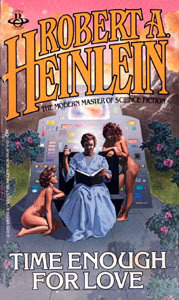
Robert A. Heinlein ”Time Enough for Love” (The World As Myth)

353

Grāmatas apraksts no Goodreads/Synopsis from Goodreads:

The capstone and crowning achievement of Heinlein’s famous Future History, Time Enough for Love follows Lazarus Long through a vast and magnificent timescape of centuries and worlds. Heinlein’s longest and most ambitious work, it is the story of a man so in love with Life that he refused to stop living it.

Kā tiku pie šīs grāmatas?/How I got this book?

Lejuplādēju no torenta. Izvēlējos no Top 100 Sci-Fi Books grāmatu listes.

Vērtējums/Rating: 1.5/5

Mana recenzija/My review

Šīs grāmatas tēliem noteikti ir pietiekoši laika mīlestībai un mīlai, jo pastāv iespēja ‘’atjaunoties’’ un fiziskajā ziņā atgūt agrāko veselību, bet garīgi nekas netiek zaudēts. Šķiet, atjaunošanās procesu skaitam nav ierobežojumu, jo galvenais tēls Lācars Longs, dzimis 20.gadsimtā, ir vairāk nekā divus tūkstošus gadu vecs.

Bija sajūta, ka ‘’Time Enough for Love’’ salikts kopā kā vairāki atsevišķi stāsti, kuriem savstarpējā saistība gandrīz nekāda. Kopā samestas dažādas idejas, tai skaitā verdzības tēma. Īpaši nerūpēja, kas notiek ar Lācaru un viņam apkārtējiem.

Bez tā, ka cilvēce izplatījusies plaši pa Visumu (vairāk nekā 2000 planētu), diemžēl Zemei nav pārāk veicies un tāda pamirusi, tad zinātniski fantastiskajā ziņā iespējama arī ceļošana laikā, ko Lācars izmanto, lai apciemotu radiniekus 20.gadsimtā.

Izbrīnīja, ka seksuālas attiecības starp radiniekiem nevienam, īpaši jau Lācaram, netraucēja. Gan 20.gadsimtā ar mammu, gan ar ģenētiski, bet ne bioloģiskajām, dvīņu meitām u.c. Vismaz pats sevi liek mierā.

Cerams, ka šis darbs autoram ir pats sliktākais un nākamo, ko plānoju klausīties (‘’The Moon is a Harsh Mistress’’) būs labāks.


Characters of this book definitely have enough time for love and to make love. One thing is that they have the option to rejuvenate and regain health and physical age but remain the same in mind. It seemed that there is no limit to this rejuvenation process, because the main character Lazarus Long is more than 2000 years old.

I had a sense that ‘’Time Enough for Love’’ was put together from separate stories which had almost no connection between them; also varying themes and discussions/problems thrown together just because. Didn’t much care for Lazarus or anyone else near him.

Besides that humanity has spread widely in the Universe (more than 2000 planets) while neglecting Earth, then time travel is also an option which Lazarus uses.

Was badly surprised that sexual relationship isn’t a problem and doesn’t raise eyebrows. Especially it was no problem to Lazarus – even with his mom in 20th century or genetic not biological~ twin daughters etc.

Hopefully the next audiobook ‘’The Moon is a Harsh Mistress’’ is going to be better.

Pirmdienas teikums #53

MD izklajums - Copy.CDR

Pirmdienas teikums ir mana versija par Bonespark~ “Sunday Sentence”, kurā tiek izcelts teikums no tā, kas iepriekš izlasīts.

Mūža otrā pusē Herberts dziļā slepenībā bija cerējis kļūt par prezidentu (ar apakšu palīdzību uz augšu izbīdīto), tādēļ nav slēpis izsmeļošu visu savu iepriekšējo darbību perfekciju (tuvošanos pilnībai), jo ar savu imanento (šeit: izmanīgo) gājumu cauri dažādiem laikmetiem pats ir lepojies.

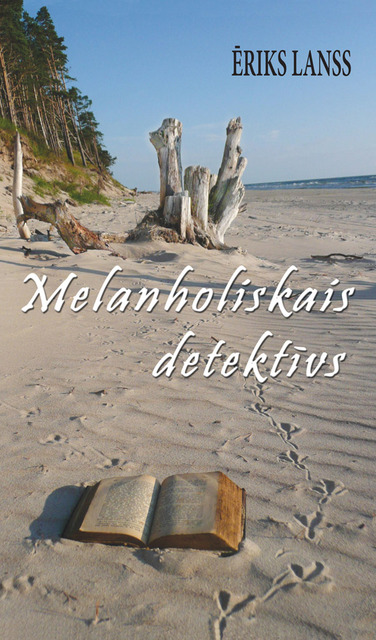
Ēriks Lanss ‘’Melanholiskais detektīvs’’

Andris Kolbergs ”Krimināllieta trim dienām” (A. K. Kriminālromānu bibliotēka)

horizon5500a1851a97e

Grāmatas Apraksts/Synopsis:

Krimināllieta trim dienām atklāj tālas vasaras notikumus. Ir izplānots ideālais noziegums. Plāna autors uzskata, ka citi cilvēki ir tikai marionetes spēlītē, kuras likme ir daudzi tūkstoši. vai nav gluži mūsdienīgi? Pēc uzbrukuma inkasatoriem viens no viņiem ir miris, otrs slimnīcā, bet taksometrs, kas inkasatorus vedis, kopā ar šoferi un naudu izgaisis bez pēdām…Neticami, bet izrādās, ka visi šie kriminālie līkloči atrisināmi trijās dienās. Galvu reibinoši lēcieni laikā un telpā, zagļu pasaules tikumi un likumi, slepenas norunas un vēl slepenākas spēļu ellītes pašā Rīgas sirdī – vide, par kuru tolaik runāja maz, bet kura darbojās uz vella paraušanu. Mākslinieks: Jānis Esītis.

Izdevniecība/Publisher: SIA ‘’Dienas Grāmata’’

Kā tiku pie šīs grāmatas?/How I got this book?

Nopirku Rīgas grāmatu svētkos 2014

Vērtējums/Rating: 3.25/5

Mana recenzija/My review

Nemaz tik ideāli izplānots noziegums, inkasentu aplaupīšana, nemaz nav, bet lielu darba daļu ir sajūta, ka vainīgie tiks cauri sveikā ar prāvo guvumu.

Bieža lēkāšana starp pagātni, kur doti iemesli un pat mēģināts attaisnot iesaistītos, un tagadni izmeklēšanu. Diemžēl jau laupīšanas brīdi neiztiek bez upuriem, tātad arī nozieguma izpilde nav ideāla, kā arī vēlāk jācieš nevainīgiem un vispār diezgan asiņaini.

Nepatika biežā skatpunktu maiņa un arī citu, laupīšanā neiesaistītu, tēlu iepazīstināšana, bet arī tas savā ziņā palīdz izprast motivācijas.

Tomēr pulkvedis Konrāds (interesants kadrs) ar citiem izmeklēšanā iesaistītajiem to atrisina, lai gan trīs dienas jebkuros laikos skaitās ātri, tad bik skumīgi, ka ne bez liekiem upuriem. Kas zin, pie citu apstākļu sakritības, līdz laupīšanai nemaz nebūtu nonākuši.

Meklējot internetā attēlu un aprakstu, atradu, ka pēc grāmatas motīviem ir arī filma ‘’Trīs dienas pārdomām’’, kura gan nav redzēta.


The crime and plan to rob collectors isn’t that perfect but almost til the end there’s a feeling that the guilty ones or at least some of them would get away with the loot.

Constant change of time between past and present where it’s mostly investigation, that gives you understanding for those involved, why they did what they did. Even the robbery and plan’s execution isn’t perfect because they need to use firearm; also later there are innocent victims and all in all just bloody.

Unlikable was often POV change even to characters that weren’t involved in the crime or investigation. But it did help to understand motivations.

Nevertheless colonel Konrāds (interesting personality…) with help of others are successful in solving the case; however three days are quite fast but a bit sad that not enough because of some unnecessary casualties. Who knows, to different circumstances, there might not be enough reasons to go through with the plan.

Searching the www for book cover and synopsis found that there is film adaptation (‘’Trīs dienas pārdomām’’) which I haven’t seen.

Steve Berry ”The Templar Legacy” (Cotton Malone book 1)

75024

Grāmatas apraksts no Goodreads/Synopsis from Goodreads:

The ancient order of the Knights Templar possessed untold wealth and absolute power over kings and popes… until the Inquisition, when they were wiped from the face of the earth, their hidden riches lost. But now two forces vying for the treasure have learned that it is not at all what they thought it was–and its true nature could change the modern world.

Cotton Malone, one-time top operative for the U.S. Justice Department, is enjoying his quiet new life as an antiquarian book dealer in Copenhagen when an unexpected call to action reawakens his hair-trigger instincts–and plunges him back into the cloak-and-dagger world he thought he’d left behind.

It begins with a violent robbery attempt on Cotton’s former supervisor, Stephanie Nelle, who’s far from home on a mission that has nothing to do with national security. Armed with vital clues to a series of centuries-old puzzles scattered across Europe, she means to crack a mystery that has tantalized scholars and fortune-hunters through the ages by finding the legendary cache of wealth and forbidden knowledge thought to have been lost forever when the order of the Knights Templar was exterminated in the fourteenth century. But she’s not alone. Competing for the historic prize–and desperate for the crucial information Stephanie possesses–is Raymond de Roquefort, a shadowy zealot with an army of assassins at his command.

Welcome or not, Cotton seeks to even the odds in the perilous race. But the more he learns about the ancient conspiracy surrounding the Knights Templar, the more he realizes that even more than lives are at stake. At the end of a lethal game of conquest, rife with intrigue, treachery, and craven lust for power, lies a shattering discovery that could rock the civilized world–and, in the wrong hands, bring it to its knees.


Apraksts: Senajam Tempļa bruņinieku ordenim piederēja neiedomājamas bagātības un absolūta vara pār karaļiem un pāvestiem, līdz inkvizīcija un Francijas Filips IV viņus noslaucīja no zemes virsas, bet viņu paslēptās bagātības tika nozaudētas. Mūsdienās vairāki spēki sacenšas, meklējot Tempļa ordeņa Lielo mantojumu, kas, iespējams, ir daudz nozīmīgāks par jebkādiem pasaules dārgumiem un var pat pārvērst mūsdienu pasauli. Kad noslēpumam pietuvojas kādreizējais specvienības kaujinieks Malons, viņa dzīvība ir mata galā…

Izdevniecība/Publisher: Ballantine books

Kā tiku pie šīs grāmatas?/How I got this book?

Lejuplādēju no torenta

Vērtējums/Rating: 3.75/5

Mana recenzija/My review

Cik nu patiesi, vai drīzāk pieskaņoti literārajam darbam, tad vēsturiskie fakti minēti ļoti daudz. Vēl viena interesanta versija par Templiešu ordeni, kas ļāva viņiem kļūt tik vareniem, kur palika lielā bagātība, viņu sagrāves laikā.

Malons jau vairāk kā gadu nav aktīvajā dienestā, tā vietā pieder antīku/senu grāmatu veikals Kopenhāgenā. Šķietami nevainīga bijušās priekšnieces Stefānijas vēlme satikties iesaista viņu mežonīgā piedzīvojumā un senu mīklu risināšanā uz augstām likmēm.

Ja kādam šķiet, ka Templieši tika sagrauti, tad viņš kļūdās. Vadoņa nāve un jaunā ievēlēšana, kurš jau personīgi bija centies atrast zudušo, paātrina notikumu gaitu. Bet arī pašā ordenī nav vienprātības, kas, ja bagātības un zināšanas tiktu atgūtas, būtu darāms tālāk.

Stefānijas motivācija ir vienkārša. Kamēr viņas vīrs (pētnieks, vēsturnieks) bija dzīvs, Stefānija neko no viņa darīta neņēma par pilnu, kas arī viens no iemesliem, kāpēc atsvešinājās arī no dēla. Šajā ziņā būs necerēta otrā iespēja (abiem). Savas atziņas arī Malonam tiks.

Netrūkst ‘’spēlētāji’’ no malas, kas gan agrāk, gan stāsta darbības laikā mēģina iesaistīties.

Protams, par iemesliem ordeņa varenībai tiek minēts, ka Jēzus bijis vien parasts cilvēks bez jebkādas brīnumainas augšāmcelšanās. Kā būtiskas ik palaikam tiek piesauktas pretrunas reliģiskajos tekstos. Personīgi galīgi neesmu reliģiozs un arī ne no ticīgajiem, bet žēl par dažu tēlu rīcību grāmatas beigās. Toties bagātības vismaz būs pielietotas kaut cik lietderīgi.

Cepure nost mīklu un piedzīvojuma sastādītājam! : )


As to how truthful the historical facts mentioned in this book I don’t know but they’re a lot. Another interesting version about Templars, what allowed them to become so powerful and where all their treasure remained.

For more than a year Malone has retired from active duty and become an antique book seller in Copenhagen. But seemingly innocent visit from ex-boss Stephanie throws him back into action on high stakes.

If anyone thought that Templars were completely destroyed then they are wrong. Recent death of the master and election of a new one, who were already searching for the Great Devise, accelerates the events. But even between themselves in the order there are disagreements about what to do if and when it is found.

Stephanie’s motivation is very simple. While her husband Lars was alive she considered his work and passion as foolishness. Which was on of the reasons why her relationship with son Mark departed. There will be chances for both of them to make things better. Few realizations for Malone too.

There are plenty side players that would be happy to have some piece from treasure.

The reasons why Templars were so strong of course are religious (Christianity) and considers Jesus himself, that he was just a man to which I agree. Frequently there are mentioned contradictions in the religious texts. Personally I’m not a religious person or a believer but I hoped that characters would have done something different with that information. But at least the value of those treasures will be used usefully.

Andris Kolbergs ”Sarkans automobilis melnā naktī” (A. K. Kriminālromānu bibliotēka book 18)

18343786

Grāmatas apraksts no Goodreads/Synopsis from Goodreads:

Pensionēts kriminālizmeklēšanas inspektors rāmi vada savas dienas Jūrmalas māja, vērojot šodienas pasauli un kavējoties atmiņās – lietās, kas viņam joprojām nedod miera. Tikām recidīvists Kims Penopoliss, kurš reģistros savulaik palicis kā nenotverts, nokļuvis policijas dienaskārtībā kā iespējamais aizdomās turamais arvien biežākās bērnu pazušanās. Policijas šefs bezcerīgās lietas šķetināšanā nolemj neoficiāli pieaicināt veco kolēģi, pat nenojaušot, pie kā izmeklēšana novedīs.

Izdevniecība/Publisher: SIA ‘’Dienas Grāmata’’

Kā tiku pie šīs grāmatas?/How I got this book?

Nopirku Rīgas grāmatu svētkos 2014

Vērtējums/Rating: 3.5/5

Mana recenzija/My review

Krišs Jēkabs(Jēkabs uzvārds) tiek pieaicināts bezvēsts pazudušo meklēšanā, galvenokārt nepilngadīgas un pat mazgadīgas meitenes. Par pieaicināšanu laikam jāpateicas agrākajai Kriša darba pieredzei, kā arī viņa statuss ļauj meklēšanu veikt ‘’paklusāk’’.

Ik palaikam pagātnes fragmenti, gan par oficiāli neveiksmīgo Kima Penopolisa aizturēšana, kas beidzās jauniņā nokļūšanā ratiņkrēslā, un kā Krišs ar to tiek galā, gan arī senāki notikumi.

Tiek izfunktierēti pat visneparastākie varbūtējie iemesli pazušanām, jo apstākļi tiešām neparasti. Šajā ziņā pilnībā nesapratu, kāpēc doti fragmenti par kādu ārzemnieku, bet tas, iespējams, lai būtu iespaids par nelikumību mērogu.

Krišam izmeklēšanā nav jādarbojas vienam, palīdz arī policijas šefa jaunā un pievilcīgā sekretāre Tīna; romantiskais aspekts izspēlēts tā viduvēji.

Tiek parādīts, ka sistēma un pastāvošie likumi reizēm pat drīzāk kalpo ļaundaru aizstāvībai, nekā upuriem. Kas līdzīgs notiek arī šajā ziņā, un Krišs nekautrējas spriest taisnu tiesu pats, bet padarītais Krišam nepaliek bez sekām, rezultējoties murgos.

Ja par šīs grāmatas pēdējo pazušanu vainīgajiem, tad viņi tiek atklāti drusku par ātru, ne lappušu ziņā, turklāt arī tikai sākumposms, un tā teikt paši mazākie lielajā ķēdē.

Lai gan šķiet, ka mūsdienās tam tā nevajadzētu būt, tad laikam gandrīz nevienam nav noslēpums, ka verdzība un cilvēku pirkšana, pārdošana un pārvadāšana tomer pastāv, turklāt iesaistītas lielas naudas summas. Tā nu grāmatas tēma pavisam nopietna un aktuāla.


Retired investigator Krišs(Chris~) is called to look into latest missing person cases, especially girls underage. Perhaps for the call he say thank to his previous experience before retiring, also his current status allows him to work more unnoticeably (laying low~).

From time to time there are flashbacks from past – officially failed attempt to detain Kims Penopoliss which resulted for his colleague to stay in wheelchair and how Krišs is dealing with that; also even earlier events.

Ideas about possible reasons for disappearances goes from simple to some crazy because circumstances are very strange. Didn’t understand the motivation for including fragments about some foreigner, if only the reader would have a sense of scale of the illegal activities.

Krišs isn’t working alone. The young and attractive Tīna (secretary of police chief) is helping; romantic side of story was a bit weak and mediocre.

Book shows how the system and its laws sometimes actually work better for criminals than victims. Something similar happens here which forces Krišs to take action into his own hands. But he has done isn’t without consequences resulting in nightmares.

If I have to say something about this books foes then they were revealed quite fast (not meaning the page number). Plus only the small players and not those who are actually responsible for the long chain.

Sadly but human trafficking and slavery exists even today.

Ēriks Lanss ”Melanholiskais detektīvs”

MD izklajums - Copy.CDR

Grāmatas Apraksts:

Diez vai kāds spēs dažos vārdos pateikt, par ko ir šī grāmata. Gluži kā mūziku, reizēm arī tekstus nav iespējams atstāstīt ar dažiem paskaidrojošiem teikumiem. It sevišķi, ja ceļojums pa sējumiņa lappusēm aizrit vienā elpas vilcienā. Un mēs pat nejūtam, ka esam pabijuši vairākās ar detektīvintrigu un varbūt pat ar fantastiku sasaistītās pasaulēs. Un reizē esam piedalījušies bezgala dziļi mūsos pašos noritošās intīmu jūtu un melanholisku sajūtu spēlēs. Kur mīlestību nekad nesauc tieši vārdā, lai to neaizbaidītu.
Grāmatas autors izmantojis savu desmitgadēs uzkrāto kino pieredzi, lai tekstu vēstījuma ritms un negaidītie sižeta pagriezieni gluži kā kinofilmā ne uz mirkli neļautu atslābt lasītāja uzmanībai un sajūtām.

Izdevniecība/Publisher: Mansards

Kā tiku pie šīs grāmatas?/How I got this book?

Nopirku Rīgas grāmatu svētkos 2014

Vērtējums/Rating: 3.25/5

Mana recenzija/My review

Tagad jau iepriekš, pirms lasīt Mansarda publicētu grāmatu, sagatavojos, ka tā nebūs parasta. Arī šis darbs pie tādiem neparastajiem pieskaitāms.

Tātad Herberts Priede uztic draugam/paziņam Zulikam sastiķēt kopā grāmatu detektīva žanrā par pamatu ņemot audžudēla Ginta USB zibatmiņā atrastu 24 lapaspušu garu citpasaules stāstu. Nedaudz iedziļinoties, saskatījis biedējošas līdzības ar reāliem cilvēkiem, ieskaitot pašu. Pavisam muļķīga rīcība no Herberta bija šo garadarbu ievietot internetā, šķietami drošā vidē/lapā – domāta ģimenes savstarpējai saziņai (pirms Zulika); izgāja ārpus kontroles.

Citpasaules personāži tiešām ir savā ziņā līdzīgi ar ‘’reālajiem’’ – gan Sirmais (Herberts), gan Atkritējs (Gints) un Kazugane(Roberta). Es pat teiktu, ka ‘’Melanholiskajā detektīvā’’ vairāk risinātas visu šo un vēl dažu tēlu, piemēram, Nikolass(pieminēts pamaz, sākumā un beigās), savstarpējās attiecības, nekā detektīva stāsts. Lai gan jau pašā sākumā tiek pateikts, ka Herberts līdz grāmatas beigām dzīvajos nepaliks (aizdomīga nāve).

Pavērsieni darba beigās labā ziņā var likt drusku pabrīnīties, tostarp arī vainīgais attiecībā par Herbertu. Domājams, autors var būt priecīgs, ka ‘’Melanholiskajam detektīvam’’ atradīsies lasītāji arī 28.gadsimtā, vien interesanti, kā skaidrojumi lasītājam iekļuvuši šajā 21.gadsimta izdevumā.

Vietām bija pat nedaudz šizīgi; tiek reizēm lēkāts laikā.


Now I already know that before you read something published by Mansards you have to be prepared that it might not be ordinary and this book was of those.

So Herberts Priede trusts his friend Zuliks finish a book (like ghostwriter) for basis using a 24 pages long story that he found in USB flash drive of his step son Gints. After reading the story Herberts saw a bit frightening similarities between characters in this otherworld story and real life. Totally silly thing for Herberts was to post this story in the internet, although initially thinking it’s safe because the site was protected with password meant for family members but it got out of control (that’s before Zuliks).

Characters really were quite similar with the ‘’real’’ ones – like Sirmais (Herberts), Atkritējs (Gints) and Kazugane (Roberta). I would say this book deals with relationships between them all and few other characters than being something like detective story. But in the beginning you are told that Herberts won’t be alive at the end and that his death was suspicious.

Ending revealed few surprising facts, one of them about the killer of Herberts. Supposedly author could be happy that this book will be read also in 28th century but what boggled my mind was how explanations for read from that time managed to get into this edition.