Arthur C. Clarke – Rendezvous with Rama (Rama #1) (audiobook)

112537

Grāmatas apraksts no Goodreads/Synopsis from Goodreads:

At first, only a few things are known about the celestial object that astronomers dub Rama. It is huge, weighing more than ten trillion tons. And it is hurtling through the solar system at an inconceivable speed. Then a space probe confirms the unthinkable: Rama is no natural object. It is, incredibly, an interstellar spacecraft. Space explorers and planet-bound scientists alike prepare for mankind’s first encounter with alien intelligence. It will kindle their wildest dreams… and fan their darkest fears. For no one knows who the Ramans are or why they have come. And now the moment of rendezvous awaits — just behind a Raman airlock door.

Izdevniecība/Publisher: Audible Frontiers

Kā tiku pie šīs grāmatas?/How I got this book?

Lejuplādēju no www. Izvēlējos no Top 100 Sci-Fi Books grāmatu listes.

Vērtējums/Rating: 3.25/5

Mana recenzija/My review

Tālu kosmosā tiek atklāts neiedomājams objekts (nodēvē par Ramu), kas milzu ātrumā tuvojas mūsu Saules sistēmai, un tiek izlemts nosūtīt komandu tā izpētei. Savs priekšstāsts par tehnoloģijām un iemesliem, kas ļāva pamanīt tuvojošos objektu.

Ramas izpētei ilgs laiks netiek atvēlēts, bet nevajag bīties, jo katrs mirklis nes jaunus pārsteigumus, un katra nākamā stunda liek brīnīties vēl vairāk kā iepriekšējā. Pirmais pārsteigums, ka Rama ir mākslīgi veidots kosmosa kuģis/gandrīz kā planēta. Kā nākamie seko robotiem līdzīgi radījumi; atgādināja briesmonīšus no Velsa ‘’Pasauļu kara’’. Visi daļējā šokā no kurienes tādi, kad vēl iepriekš visiem šķitis, ka uz Ramas neviena nav. Un tie ir tikai daļa no kopējo brīnumu kopuma, kas tiek pētniekiem. : )

Rama sniedz pārliecinošu atbildi par to, ka neesam vienīgās inteliģentās būtnes Visumā; par to, ka kaut kur citur ir dzīvībā kā tāda personīgi nešaubos. Diemžēl cilvēki no Ramas vai tās būvētājiem nesaņem nekādu uzmanību (pilnībā ignorēti esam), ko varētu uztvert kā lielāku apvainojumu, kā tad, ja tas būtu kāda veidā pateikt vārdos. Liek padomāt, vai iemesls, kāpēc citplanētieši nav devuši nekādu ziņu Mums, ir tāpēc, ka neesam nemaz tik īpaši, ka gribētos domāt.

Līdzīgi kā Childhood’s End arī šis darbs nešķita tik labs salīdzinoši ar 2001: Space Odyssey. Protams, Ramas apraksti ir vienreizēji, bet tas tomēr nekalpo kā kopējā stāsta glābiņš. Kā arī nevarētu teikt, ka pēc tādiem aprakstiem pašam gribētos uz Ramas pabūt :D.


Far far away an imaginably huge object (will be named Rama) with tremendous speed is approaching our Solar system, and it’s getting decided to send a team to explore it. There is also some little story about the technologies that helped to discover Rama, as why they were invented.

The time to explore Rama is limited but no need to worry because each moment and hour brings new surprises. And the first one is that Rama isn’t a natural object but actually is artificially made, and is almost like a big planet not space craft. The next surprise could be a three legged robot like creatures which reminded me those from The War of Worlds. Everyone is a bit shocked because just a little while ago everyone thought that Rama is deserted. And those are just few of surprises for the explorers. : )

Rama is a clear sign that humans aren’t the only intelligent being in the Universe; considering how many stars and planets there are I don’t doubt about a life somewhere else in general. Unfortunately Ramans ignore humans completely without any acknowledgement of existence which actually could be a bigger insult than anything to humans in words. Makes you think that maybe no alien has arrived to Earth just because We aren’t that special as majority would like to think.

Still 2001: Space Odyssey in my mind is better than this or Childhood’s End, those are Arthur’s book which I have heard. Of course the descriptions of Rama are amazing but that doesn’t make the whole story amazing. Also those descriptions doesn’t convince me to visit Rama.

Arthur C. Clarke – Childhood’s End (audiobook)

414999

Grāmatas apraksts no Goodreads/Synopsis from Goodreads:

Without warning, giant silver ships from deep space appear in the skies above every major city on Earth. Manned by the Overlords, in fifty years, they eliminate ignorance, disease, and poverty. Then this golden age ends–and then the age of Mankind begins….

Izdevniecība/Publisher: Audible Frontiers

Kā tiku pie šīs grāmatas?/How I got this book?

Lejuplādēju no www. Izvēlējos no Top 100 Sci-Fi Books grāmatu listes.

Vērtējums/Rating: 3.5/5

Mana recenzija/My review

Citplanētiešu ierašanās, par laimi, ar mieru, cilvēcei nāk par labu. Protams, visus apmierināt nevar, bet nekad jau tā arī nemaz nevarētu notikt. Bet, par ko gan bēdāties, ja noziegumi kā tādi gandrīz izzūd, tehnoloģijas uzlabojas, bezdarbs samazinās u.c. Drusku paskumt varētu vien nākties kultūras mīļotājiem un Visuma pētniekiem.

Varētu šķist, ka Pavēlnieku (Overlords) atnākšana nevarētu būt nekas labāks, bet, kurš gan ir teicis, ka obligāti, citplanētiešiem jāierodas un jānolīdzina viss gar zemi. Pietiek vien ierobežot un neļaut pilnībā attīstīties, lai tas būtu beigu sākums.

Pamatā zinām tikai par vienu Pavēlnieku – Karellen. Viņš pats loģiski apgalvo, ka viss tiek darīts cilvēces labā, citādi tā pati ar laiku sevi iznīcinātu. Šis tas liek šaubīties, vai viņi tiešām ir tik spēcīgi un vareni, ka grib, lai domā, ņemot vērā arī ilūziju par kosmosa kuģiem.

Vienkāršajam un parastajam cilvēkam, pateicoties Pavēlniekiem, par neko nav jādomā, un, ja nevajadzētu gulēt, vispār būtu ideāli, jo pa TV un cita veida (izklaidējošas) informācijas ir tik daudz, ka viens cilvēks vienkārši nevar paspēt visu noskatīt, kas pasniegts negatīvi. Prātā ienāca doma, ka tagad tā arī ir :D Noslēgums atkal drīzāk saucams par dīvaini neparastu.


Arrival of aliens, luckily they come in peace, is a benefit for mankind. Of course you can’t please everyone but that might be impossible. But there is to be sad about when the crime is almost forgotten, technologies are getting better and better, unemployment is improving etc. The only ones might be people exploring Universe and those whose job is connected with culture.

It might seem that the arrival of Overlords couldn’t be anything better, but who has said that aliens have to come with guns blazing and destroy everything in their way. You just need to restrict and limit few things so it would be the beginning of the end.

Mostly we know just about one Overlord named Karellen. Logically he himself claims that everything they do is in human interest otherwise it would have destroyed itself. Some things are creating doubts about how many Overlords there are and how strong want you to think they are. Considering the illusion of the space ships.

For the average person thanks to Overlords doesn’t have to think about anything serious, and if you didn’t have sleep it would be perfect because there is so much on TV and other information/ entertainment that one person can’t see it all, which was shown in the negative light. Just like it is now! :D. The ending again was a little bit weirdly strange.

Kurt Vonnegut – Slaughterhouse-Five (audiobook)

4981

Grāmatas apraksts no Goodreads/Synopsis from Goodreads:

Kurt Vonnegut’s absurdist classic Slaughterhouse-Five introduces us to Billy Pilgrim, a man who becomes unstuck in time after he is abducted by aliens from the planet Tralfamadore. In a plot-scrambling display of virtuosity, we follow Pilgrim simultaneously through all phases of his life, concentrating on his (and Vonnegut’s) shattering experience as an American prisoner of war who witnesses the firebombing of Dresden.

Don’t let the ease of reading fool you – Vonnegut’s isn’t a conventional, or simple, novel. He writes, “There are almost no characters in this story, and almost no dramatic confrontations, because most of the people in it are so sick, and so much the listless playthings of enormous forces. One of the main effects of war, after all, is that people are discouraged from being characters.”

Slaughterhouse-Five is not only Vonnegut’s most powerful book, it is also as important as any written since 1945. Like Catch- 22, it fashions the author’s experiences in the Second World War into an eloquent and deeply funny plea against butchery in the service of authority. Slaughterhouse-Five boasts the same imagination, humanity, and gleeful appreciation of the absurd found in Vonnegut’s other works, but the book’s basis in rock-hard, tragic fact gives it a unique poignancy – and humor.

Izdevniecība/Publisher: Harper Audio

Kā tiku pie šīs grāmatas?/How I got this book?

Lejuplādēju no www. Izvēlējos no Top 100 Sci-Fi Books grāmatu listes.

Vērtējums/Rating: 3.75/5

Mana recenzija/My review

Galvenais varonis Billijs Pilgrims piedzīvojis kara šausmas, redzējis kā mirst viņa biedri, bet īsti par to nebēdā. Kāpēc? Jo pateicoties citplanētiešiem no Tralfamadore planētas, kur būtnes spēj redzēt ne vien telpā, bet arī laikā, tādējādi varētu teikt, ka katrs eksistē mūžīgi, bet tas nenozīmē nemirstību. Stāstā Tralfamadoras būtnes pavīd pavisam maz; ir pāris ainu, bet gribētos uzzināt par viņiem vairāk un plašāk. Billijs varētu ‘’pateikties’’ viņiem par atbrīvošanu no laika ķetnas, kamēr mēs pārējie kustamies tikai telpā.

Pats Billijis nespēj kontrolēt, kad un kur viņš laika ‘’lēcienos’’ nokļūst (būtu vēl jāpadomā, vai tikt tas galu galā nav drīzāk lāsts; vismaz tas notiek savas dzīves ietvaros), arī stāsta sižets nav laika līnijas ziņā vienmērīgs; ar lēcieniem šurpu turpu.

Lai gan aprakstā apgalvots, ka tēlu gandrīz vai nav (vien daži) un konfrontāciju arī pamaz, tad negribētos tam piekrist. Kaut vai grāmatas sākums, kas uzreiz nogādā lasītāju brīdī, kad Drēzdene tiek bombardēta. Bez Billija pieminēšanas vērts ir arī Roland Weary tēls, viņu karš ietekmē daudz smagāk.

Cik saprotu, dzirdēto var uzskatīt daļēji par autora reāli piedzīvoto Otrajā pasaules karā. Neiztrūkst arī filozofiska rakstura pārdomas. Patika neraksturīgā pieeja stāsta formai; šur tur pavīd arī optometristi :D. Sci-fi aspekts laikam piedēvējams (vien) citplanētiešu un Billija jauno ~spēju dēļ, citādi tiešām vairāk atskats uz kara atmiņām.


Our main character Billy Pilgrim has seen how horrible the war can be and how his colleagues have died but that doesn’t trouble that much. Why? Because thanks to aliens from planet Tralfamadore he now knows that death isn’t the end, everyone exists forever but that doesn’t mean that they or others are immortal. Creatures from that planet can also see back and forward in time, not just only in space. In the story those creatures are shown very little; I would have liked to know a bit more about them. Billy could ‘’thank’’ them about making him unstuck in time while we forced to moved around just in three dimensions.

Billy himself can’t control where and when he will show up when the time jump occurs (you would have to think hard – if in the end that’s not a curse, at least that happens within his own life), because of that also the story jumps back and forth.

Although in the synopsis it’s mentioned that there are almost no characters or dramatic confrontations, I wouldn’t like to agree to that. As for example the beginning of the book is when the reader is already at the bombing of Dresden. Besides Billy’s character I would like to mention Roland Weary, it seemed that the war affected him harsher.

If I understood correctly this can be partially considered as Vonnegut’s memories of what he experienced in the World War II. Inevitably there are some philosophical thoughts. I liked the unusual and quirky approach to the story; here and there you might see some optometrists :D. I guess the only reason this could be considered as a sci-fi is because of aliens and what they did to Billy (his new capabilities), otherwise more likely a retrospect of war memories.

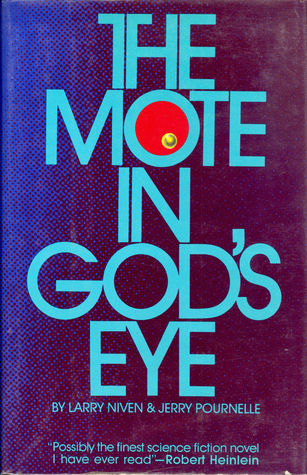
Larry Niven, Jerry Pournelle – The Mote in God’s Eye (Moties #1) (audiobook)

100365

Grāmatas apraksts no Goodreads/Synopsis from Goodreads:

In 3016, the 2nd Empire of Man spans hundreds of star systems, thanks to faster-than-light Alderson Drive. Intelligent beings are finally found from the Mote, an isolated star in a thick dust cloud. The bottled-up ancient civilization, at least one million years old, are welcoming, kind, yet evasive, with a dark problem they have not solved in over a million years.

Izdevniecība/Publisher: Audible Frontiers

Kā tiku pie šīs grāmatas?/How I got this book?

Lejuplādēju no www. Izvēlējos no Top 100 Sci-Fi Books grāmatu listes.

Vērtējums/Rating: 4/5

Mana recenzija/My review

Kāda gan būtu cilvēces reakcija pirmoreiz sastopoties ar pilnībā atšķirīgu, inteliģentu rasi? Parasti visās filmās agresori un tie, kas vēlas visu iznīcināt ir tieši citplanētieši, bet šoreiz sastapšanās notiek, kad cilvēce jau spējusi spert savus soļus Visuma apgūšanā un apdzīvošanā. Vairākkārt tiek minēta Otrā impērija un pirmo atceras ar godu, apbrīnu, bet ne pilnībā izskaidrots tās sabrukuma iemesli.

Sastaptajai rasei Moutiem(negribas dēvēt par Puteklīšiem) ir maz līdzību ar cilvēkiem. Ne tikai ārējā ziņā un fizioloģiski, bet arī kultūras, sabiedrības un izturēšanās ziņā; jāņem vērā, ka viņu rasei ir bijis gana ilgs laiks, lai attīstītos. Reizēm vien pēc mirkļa sapratu, ka skatpunkts ir pārslēdzies no cilvēku uz citplanētiešu.

Mouti par sevi rada draudu neradošu un varbūt pat muļķu iespaidu, bet tas tikai tādai iemidzināšanai, arī viņi veic savus pētījumus un novērojumus, ne tikai cilvēks, no kuriem daļai ir ļoti lielas grūtības uzticēties un grib labāk uzbrukt pirmie, jo tak nevar zinātu, kad viņi tā varētu izdarīt. Noslēgums vismaz uz miermīlīgākas un cerīgākas nots.

Dominē militārais aspekts; dažās atsauksmēs minēts, ka darbs ir seksistisks (nav daudz sieviešu dzimuma tēlu) un tēli stereotipiski, bet vai nu īpaši nemanīju, vai arī šoreiz tas netraucēja.

­                                                                                                                                           

What would be mankind’s reaction for the first time meeting absolutely different, intelligent race? Usually in the movies the aggressors and those who want to destroy everything are the aliens, but this time the encounter happens when humans have had their chance to explore and populate the Universe. Occasionally it is mentioned that now it’s the 2nd Empire of Man and the first one is remembered with honor and admiration, but it wasn’t completely explained why the first one collapsed.

The aliens (Motes) have very little similarity with human, not only visually but also with their culture, behavior and society module. Of course their race is more than a million years old and with plenty of time to evolve.  There were some moments when POV changed from human’s to Motie’s, and then it took me awhile to catch that.

Moties create an impression about themselves as nonthreatening and maybe even a bit dum, but that’s exactly what they want. Humans aren’t the only ones that study and examine the other side, Moties do the same. Some people have trouble with trusting and all they want is to strike first just because you never know when they might. At least the ending is on hopeful and more peaceful note.

The fact that this more of a military sci-fi is clear; in some reviews I read that this book is sexist (there wasn’t many female characters) and that characters are stereotypical, but maybe I didn’t notice it that much or this time it just wasn’t bothering me.

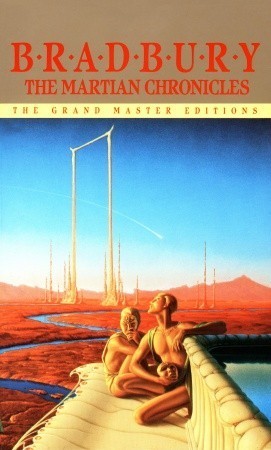
Ray Bradbury – The Martian Chronicles (audiobook)

76778

Grāmatas apraksts no Goodreads/Synopsis from Goodreads:

The strange and wonderful tale of man’s experiences on Mars, filled with intense images and astonishing visions. Now part of the Voyager Classics collection.
The Martian Chronicles tells the story of humanity’s repeated attempts to colonize the red planet. The first men were few. Most succumbed to a disease they called the Great Loneliness when they saw their home planet dwindle to the size of a fist. They felt they had never been born. Those few that survived found no welcome on Mars. The shape-changing Martians thought they were native lunatics and duly locked them up.
But more rockets arrived from Earth, and more, piercing the hallucinations projected by the Martians. People brought their old prejudices with them – and their desires and fantasies, tainted dreams. These were soon inhabited by the strange native beings, with their caged flowers and birds of flame.

Izdevniecība/Publisher: Sterling Audio Books

Kā tiku pie šīs grāmatas?/How I got this book?

Lejuplādēju no www. Izvēlējos no Top 100 Sci-Fi Books grāmatu listes.

Vērtējums/Rating: 2.5/5

Mana recenzija/My review

Lai būtu kaut cik pieklājīga struktūra, kāds komentārs par katru no kolekcijā iekļautajiem stāstiem. Kaut gan bija vienota tematika un arī varoņi nav katrā pilnībā savi, tomēr kaut kas pietrūka.

Rocket Summer (January 1999/2030*)

Brīnišķīgs vasaras siltuma apraksts, kā arī sanākušo reakcija, paceļoties raķetei
Ylla (February 1999/2030)

Uzzinām par pirmās ekspedīcijas iznākumu, marsiešu izskatu un (par laimi) to, ka viņi netic, ka uz Zemes varētu pastāvēt dzīvība.
The Summer Night (August 1999/2030)

Marsiešim piemīt telepātijas spējas. Kad otrā ekspedīcija tiek komplektēta, viņi uztver dziesmas un sāk dungot, bet nekādīgi nesaprot kāpēc un no kurienes viņiem tādas domas/idejas.
The Earth Men (August 1999/2030)

Nedaudz komiski kā cilvēki, ieradušies uz Marsa, sagaida nez kādu slavu un apsveikumus no vietējiem par to vien, ka viņi redz ieradušies no Zemes. Diemžēl beigas stāstam traģiskas.
The Taxpayer (March 2000/2031)

Kad arī nodokļu maksātājs vēlas nokļūt uz Marsa.
The Third Expedition (April 2000/2031)

Trešās ekspedīcijas varoņus uz Marsa sagaida negaidīta situācija. Viņi sastop mīļotos, kuriem būtu jābūt mirušiem. Nedaudz neizpratu kontekstā ar iepriekšējiem stāstiem.
-And the Moon Be Still As Bright (June 2001/2032)

Ceturtā ekspedīcija. Līdzīgi kā eiropiešiem ierodoties Jaunajā pasaulē, tā laikam arī ar marsiešiem šajā stāstā. Ekspedīcijas komanda nesastop nevienu marsieti; secina, ka lielākā daļa mirusi no kādas cilvēku atvestas slimības. Apcere kā cilvēkam padodas sačakarēt visu skaisto
The Settlers (August 2001/2032)

Arī ceturtā ekspedīcija neiztiek bez ievērojamām ķibelēm.
The Green Morning (December 2001/2032)

Par Marsa apgūšanu.
The Locusts (February 2002/2033)

Turpinās planētas pārveidošana. Vai nu šajā pasaulē ceļošana no Zemes uz Marsu izmaksā grašus, vai arī labs finansējums, ka var sūtīt vienu ekspedīciju pēc otras.
Night Meeting (August 2002/2033)

Viens no labākajiem stāstiem. Jauna vīrieša, kas ieradies no Zemes un marsieša sastapšanās, bet sastapšanās šķietami ārpus laika -> redz viens otru, bet no apkārtējā katrs redz atbilstošu ainavu no sava laika. Interesanta debate, kurš no abiem skaitās no nākotnes un kurš kā pagātnes pārstāvis.
The Shore (October 2002/2033)

Kolonizāciju viļņi. Uz Zemes laikam nav nekādi dižie apstākļi.
Interim (February 2003/2034)

Nu kur tad bez reliģiskās tēmas.
The Musicians (April 2003/2034)

Bērni spēlējas marsiešu pilsētas drupās.
Way in the Middle of the Air (June 2003/2034)

Šis stāsts nepatīkami pārsteidza ar savu rasistisko ievirzi.
The Naming of Names (2004-05/2035-36)

Stāsts, kurā kolonisti piedēvē objektiem savus nosaukumus, bet dažiem skumjas, ka viņi nekad nezinās to patiesos (marsiešu dotos) nosaukumus.
The Old Ones (August 2005/2036)

Pavisam īsi par to, ka arī seniori ierodas uz sarkanās planētas.
The Martian (September 2005/2036)

Viens no hronikas savādākajiem stāstiem.
The Luggage Store (November 2005/2036)

Epizode, kurā kolonisti apspriež pa radio dzirdēto, ka uz Zemes briest kodolkarš.
The Off Season (November 2005/2036)

Cerībā uz jaunu cilvēku pieplūdumu atveras karsto suņu stends. Par nelaimi tā īpašniekam karš uz Zemes tiešām sākas, un tas pat ir saskatāms no viņa skatpunkta :O
The Watchers (November 2005/2036)

Kolonisti uztraucas par saviem piederīgajiem, kas palikuši uz Zemes.
The Silent Towns (December 2005/2036)

Vēl komisks stāstiņš. (Gandrīz) Visi atsaukušies aicinājumam atgriezties. Walter Gripp var justies kā pēdējais cilvēks uz Marsa. Kad viņš sastop pēdējo sievieti viņa prieki ātri apsīkst.
The Long Years (April 2026/2057)

Roboti…
There Will Come Soft Rains (August 4, 2026/2057)

Kodolkaram uz Zemes bijušas postošas sekas; drūma aina. Kamēr iedzīvotāju vairs nav, viņu automātiskās mājas turpina darboties.
The Million Year Picnic (October 2026/2057)

Kāda ģimene tomēr pamanās tikt prom no izpostītās Zemes, bet ierodoties uz Marsa iznīcina raķeti un iznīcina dažādus dokumentus saistībā ar pamesto dzīvi, planētu. Optimistiskas beigas, jo viņi nav vienīgie un cilvēcei tomēr ir cerība uz garāku mūžu.

­                                                                                                                                                

*Pēc 1997.gada izveduma darbības laiks pārcelts uz priekšu par 31 gadu.

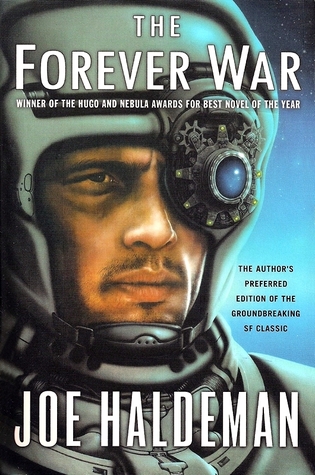
Joe Haldeman – The Forever War (The Forever War #1) (audiobook)

21611

Grāmatas apraksts no Goodreads/Synopsis from Goodreads:

Series Info:
This is the first part of the “Forever War” series, however it can be read as a standalone.

Book Description:
The Earth’s leaders have drawn a line in the interstellar sand—despite the fact that the fierce alien enemy that they would oppose is inscrutable, unconquerable, and very far away. A reluctant conscript drafted into an elite Military unit, Private William Mandella has been propelled through space and time to fight in the distant thousand-year conflict; to perform his duties without rancor and even rise up through military ranks. Pvt. Mandella is willing to do whatever it takes to survive the ordeal and return home. But “home” may be even more terrifying than battle, because, thanks to the time dilation caused by space travel, Mandella is aging months while the Earth he left behind is aging centuries.

Izdevniecība/Publisher: Recorded Books

Kā tiku pie šīs grāmatas?/How I got this book?

Lejuplādēju no www. Izvēlējos no Top 100 Sci-Fi Books grāmatu listes.

Vērtējums/Rating: 3/5

Mana recenzija/My review

Interesanta ideja par pulsāru izmantošanu starpzvaigžņu ceļošanā, bet tam diemžēl piemīt liels mīnuss. Katru reizi tā ceļojot, atkarībā no attāluma tiek arī patērēts laiks, un kaut arī tev tas bijis vien mirklis īsāks par acs samirkšķināšanu, uz Zemes un citu var būt pagājušas vairākas desmitgades vai pat gadsimti.

Kad ierindnieks Viljams Mandela pirmoreiz atgriežas atpakaļ ir 2008.gads; stipri atšķirīgāks no mūsu astotā gada un labi, ka tā. Apstākļi un sabiedrība kļuvusi tik atšķirīga un Mandelam neizprotama, ka gan viņam, gan pārējiem dažiem, kuri izdzīvoja, lai varētu atgriezties, doma par atgriešanos armijā, šķiet, pat vilinoša.

Kamēr Viljams karojis ar citplanētiešiem, arī Zeme nav iztikusi bez karošanas un šoreiz resursu dēļ, un rezultāts tāds, ka lielākā cilvēku izvēlas būt homoseksuāli un tieši uz heteroseksuāļiem tiek skatīts ar šķību aci, un tāds stāvoklis tiek tad ‘’ārstēts’’. Tā teikt apgriezta situācija. Bet nākamā Viljama vizīte uz Zemes būs vien nākamajā tūkstošgadē, un 2008.gada situāciju vēl varētu uzskatīt par labu esam.

Karš ar citplanētiešu rasi tik dziļi ietekmē ekonomiku, ka daudzi ātri vien nespēj iedomāties pasauli bez tā, tādēļ arī Mūžīgais karš. Viedokli atvieglo tas, ka kaujas nenotiek pat ne tuvu Zemei. Bet nekas nav uz visiem laikiem, un pat Mūžīgajam karam kādudien pienāk gals, vienīgais iemesls, kāpēc tā, visai savdabīgs; to pašu varētu teikt par epilogu.

Pavisam noteikti militāra rakstura zinātniskā fantastika, un, ja tādas nepatīk, laikam labāk neķerties klāt.


An interesting idea about how using pulsars you could have interstellar travel but this option has one big minus. Each time travelling like that, although it might be just an eye blink for you, on Earth it might be some decades or even centuries.

When private William Mandella returns to Earth for time it’s year 2008; it’s very different from your eighth year and let’s just say that I’m not sad because of that. The society and circumstances are so incomprehensible for William and others who were lucky to survive, that the thought about returning to military starts to get tempting.

While William as fighting with aliens, Earth had its own wars and this time because of overpopulation and resources. In the result to be homosexual has become a norm and if you are heterosexual everyone thinks you are weird; plus there is a ‘’cure’’ for you. You could say that the situation is upside down. But the next time William will return to Earth it’s going to be the next millennium, and the situation previously could actually be called as reasonably good one.

The war with an alien race gets intertwined in the economy so much that soon enough most can’t imagine a world without it, as a result Forever War. It obviously helps that the fighting is not nearly close to Earth. But nothing lasts forever and ever, not even the Forever War, only the solution how that happened was a bit bizarre; the same I could say about epilogue.

Definitely a military sci-fi and if you don’t like that this book won’t be for you.

H. G. Wells – The War of the Worlds (audiobook)

8909

Grāmatas apraksts no Goodreads/Synopsis from Goodreads:

Man had not yet learned to fly when H.G. Wells conceived this story of a Martian attack on England. Giant cylinders crash to Earth, disgorging huge, unearthly creatures armed with heat-rays and fighting machines. Amid the boundless destruction they cause, it looks as if the end of the world has come.

Izdevniecība/Publisher: Blackstone Audio

Kā tiku pie šīs grāmatas?/How I got this book?

Lejuplādēju no www. Izvēlējos no Top 100 Sci-Fi Books grāmatu listes.

Vērtējums/Rating: 3.5/5

Mana recenzija/My review

Citplanētiešu, ja konkrētāk marsiešu, uzbrukums neaizsargātajai Zemei. Sākums nedaudz palēns un nesteidzīgs, un no cilindru parādīšanās līdz haosam un iznīcībai paiet kāds brīdis. Ir ne tikai patīkams trijkāju ierīču apraksts un to neapskaužamā spēka izrādīšana, bet arī detalizētāks paša marsieša fiziskais apraksts. Pateicoties atšķirīgajiem apstākļiem, viņu attīstība bijusi krasi atšķirīga, lielāku vērību atvēlot galvai, bet tieši šo atšķirību marsiešu likteni izšķir pavisam sīki, sīki organismi.

Varētu domāt, ka pat tagad citplanētiešiem, kas būtu spējīgi starpzvaigžņu sistēmu ceļojumiem, ja viņi tā vēlētos, varētu mierīgi pārņemt varu pār Zemi, kur nu vēl 19.gs beigās, kad risinās stāsta notikumi. Šajā ziņā izpaužas attiecīgais laiks, kad, mūsu galvenajam varonim bēgot no marsiešiem, daļa sabiedrības ir joprojām dzīvo laimīgā neziņā. Gan jau arī tagad pat pie visas televīzijas un interneta atrastos tādi, kas uzreiz par tādu lietu nedzirdētu, bet apzināt vienam otru noteikti vieglāk. Protams, atliek tikai izsist no ierindas pāris satelītu.

No Velsa vēl lasīts/klausīts Neredzamais cilvēks un Laika mašīna, un šī, War of the Words diemžēl nestāv klāt abām minētajām. Biju iepriekš dzirdējis par radio adaptācijas izraisīto masu paniku, bet, ja var ticēt Vikipēdijas rakstam, tad attiecīgā laika avīzes kārtīgi pārspīlējušas sekojošos notikumus.

Nevarēju (drusku) nesalīdzināt, atceroties 2005.gada filmu ar Tomu Krūzu. Pirmās atšķirības bez šaubām jau atšķirīgo darbības laiku dēļ.


The alien attack to the unprotected Earth, and if we want to be precise it’s Martians and not the Marvin (Looney Tunes). The beginning is a bit slow and unhurried, it takes some time from the moment the cylinders appear and the destruction begins. The reader is given not only good description of the tripod and about its unenviable power and heat lasers, but also detailed description of the Martians themselves. Thanks to different environment on their planet, their evolution has been much different where the biggest attention has been given to head. These differences on both planets are the reason why very small and tiny life forms have a big role in this story.

You might think that even today it wouldn’t be much work for aliens that are capable of interstellar travel to conquer Earth if they would like to, and in the end of 19th it should be even easier. As there is no TV or internet many are still living in a bliss while our main character and others are desperately trying to escape. Of course even today there would some that wouldn’t get the news immediately but to inform each other has to be easier and faster. Also if aliens would take out satellites things right away are different.

From Wells I have read/listened The Invisible Man and The Time Machine, unfortunately this book isn’t even close to them. I had heard previously about the mass panic that the radio play created once but if you can believe Wikipedia the press at the time exaggerated it.

I couldn’t resist comparing this story remembering the movie with Tom Cruise.

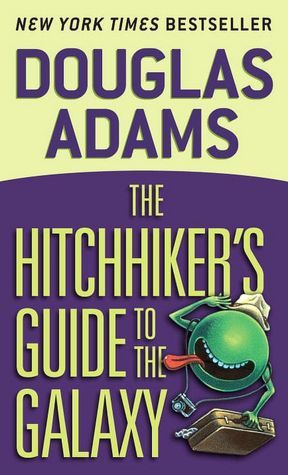
Douglas Adams – The Hitchhiker’s Guide to the Galaxy (The Hitchhiker’s Guide to the Galaxy #1) (audiobook)

11

Grāmatas apraksts no Goodreads/Synopsis from Goodreads:

Seconds before the Earth is demolished to make way for a galactic freeway, Arthur Dent is plucked off the planet by his friend Ford Prefect, a researcher for the revised edition of The Hitchhiker’s Guide to the Galaxy who, for the last fifteen years, has been posing as an out-of-work actor.

Together this dynamic pair begin a journey through space aided by quotes from The Hitchhiker’s Guide (“A towel is about the most massively useful thing an interstellar hitchhiker can have”) and a galaxy-full of fellow travelers: Zaphod Beeblebrox–the two-headed, three-armed ex-hippie and totally out-to-lunch president of the galaxy; Trillian, Zaphod’s girlfriend (formally Tricia McMillan), whom Arthur tried to pick up at a cocktail party once upon a time zone; Marvin, a paranoid, brilliant, and chronically depressed robot; Veet Voojagig, a former graduate student who is obsessed with the disappearance of all the ballpoint pens he bought over the years.

Izdevniecība/Publisher: New Millenium Audio

Kā tiku pie šīs grāmatas?/How I got this book?

Lejuplādēju no www. Izvēlējos no Top 100 Sci-Fi Books

Vērtējums/Rating: 3.75/5

Mana recenzija/My review

Burtiski mirkli pirms Zemes iznīcināšanas Artūrs Dents un Fords Prefekts tiek paglābti no pašu iznīcības, dodot otro iespēju. Planētas Zeme beigu iemesls – peles pārstājušas par to maksāt, kā galaktiskas maģistrāles tapšana. Vienīgais, cik liels un plašs ir Visums, grūti iedomāties, vai planētas iznīcināšana tiešām vajadzīga, turklāt šīs pasaules kuģiem ir hiperdzinēji (hyperdrive)

Stāstam mēģināts pieiet ar humoru un jokiem. Varēja pasmiet un drusku amizanti, bet kārtīgu ROFL momentu nebija. Fords pēdējos 15 gadus piespiedu kārtā dzīvojis uz Zemes, atjauninot Hitchhiker’s Guide to the Galaxy grāmatu, kas arī ir par nosaukumu šai grāmatai un visai sērijai.

Kā izrādās cilvēks uz Zemes nebija tas pats gudrākais radījums un visu radību kronis kā dažkārt gribētos kādam domāt. Pirmkārt jau minētās peles, kuras patiesībā eksperimentē ar mums, kā arī delfīni. Viņi saņēma un saprata signālu par gaidāmo jau 50 gadus agrāk un paspēja laicīgi aizmukt.

Papildus tam uzzinām par kādreiz eksistējušu civilizāciju, bet ne pilnībā zudušu, kura sen, sen atpakaļ ražojusi planētas (tai skaitā Zemi), bet pie sliktiem ekonomiskiem apstākļiem izvēlējusies ieiet ziemas guļas stāvoklī.

Protams, biju jau iepriekš dzirdējis par atbildi uz vissvarīgāko jautājumu par dzīvi, Visumu un visu pārējo. Šajā ziņā interesants video no Numberphile puses par attiecīgo jautājumu un atbildi.

No tēliem un balsīm patika Artūrs Dents, īpaši dusmu brīžos, un depresīvais un paranoiskais robots Mārvins. Audiogrāmatu, kuru klausījos, ierunāja pats autors, tad jau droši vien arī balsis kā pats iztēlojās. : )


Just a mere moment before destruction of Earth Arthur Dent and Ford Prefect are saved giving their lives a second chance to do everything they can and want in the Universe. The main reason for the end of planet Earth is galactic freeway. Although knowing how big and vast the Universe is I’m not sure is that really necessary, plus the spaceship’s have hyperdrives. And secondly mice have stopped paying for the planet.

The story tries to be humoristic and funny. There were some laughable and amusing moments but no really good ROFL places. Ford for the last 15 years has been forced to live on Earth revising edition of The Hitchhiker’s Guide to the Galaxy which also is the title for this book and series overall.

It turns out that human wasn’t the smartest creature on Earth as some would like to think. Firstly those are already mentioned mice, also dolphins. They received and understood the message about what is going to happen 50 years before and were unsuccessful trying to warn us.

Additionally to that the reader finds out about ancient race which long ago were making planets (including Earth) but because of bad economical circumstances choose to go into hibernation.

Of course I had heard about the answer to the Ultimate Question of Life, the Universe and Everything. Correspondingly an interesting video from Numberphile about the answer and question.

From characters and voices I liked Arthur Dent in his angry moments and Marvin, the chronically depressed and paranoid robot. I listened to an audiobook editon  voiced by the author by himself so the voices probably are correct and as he imagined. : )

George Orwell – 1984 (audiobook)

5470

Grāmatas apraksts no Goodreads/Synopsis from Goodreads:

The year 1984 has come and gone, but George Orwell’s prophetic, nightmarish vision in 1949 of the world we were becoming is timelier than ever. 1984 is still the great modern classic of “negative utopia” -a startlingly original and haunting novel that creates an imaginary world that is completely convincing, from the first sentence to the last four words. No one can deny the novel’s hold on the imaginations of whole generations, or the power of its admonitions -a power that seems to grow, not lessen, with the passage of time.

Izdevniecība/Publisher: Recorded Books

Kā tiku pie šīs grāmatas?/How I got this book?

Lejuplādēju no www. Izvēlējos no Top 100 Sci-Fi Books

Vērtējums/Rating: 3/5

Mana recenzija/My review

Kad Partija ir viss un nekam citam nav jēgas. Tā kontrolē pagātni un vēsturi, un maina to ik dienas pēc savas patikas un spontānas iegribas. Apcietināt tevi var par tavām domām, kur nu vēl, ja kaut ko uzdrošinies iebilst, turklāt pat jāuzmanās, kāda tev ir sejas izteiksme, jo pat nelielu aizdomu dēļ tu kādam šķiti aizdomīgs, un tiec paņemts ciet; tad vari būt drošs, ka piespiedīs atzīties par pilnīgi jebko.

Absurdu šajā pasaulē ir uz katra stūra. Kaut vai valodas kropļošana, vārdu nozīmju mainīšana, vai vispār to izņemšana no aprites, lai tikai cilvēkiem ar laiku nebūtu pilnīgi nekādu iespēju ‘’nepareizi’’ izteikties.

Pasaulē izveidojušās kontinentālu mērogu lielvaras, kuras patstāvīgi karo viena ar otru. Vismaz tā Partija grib, lai cilvēkiem būtu pieņemamāki viņu dzīves apstākļi. Visas aprakstītās lielvaras izklausījās vienādas un maz ar ko atšķirīgas; visās privilēģijas tiek varai. Plus vēl kā lielais valsts ienaidnieks un ļaunuma iemiesojums, kurā norit darbība, iedzīvotājiem tiek uzrādīts Emanuels Goldstains, un katru dienu neatlaidīgi tas tiek atgādināts. Man jau šķiet, ka izdomājums vien viņš ir.

Sekojam līdzi Vinstona Smita gaitām, kurš lojāli mēģina darboties pēc noteikumiem, bet tik un tā krīt nežēlastībā. Citiem varoņiem pārsvarā liekas, ka tiem globāli nekas nerūp, lai jau Partija dara, kā grib.

Varbūt 1949.gadā šāda versija bija negatīvi utopiska nākotne, tomēr, zinot vēsturi, stāsts vairāk atspoguļo pagātni, protams, vēl augstākā līmenī, tik jāuzmanās, lai vēsture sevi neatkārto.


When the Party is everything and nothing else doesn’t matter. It controls the past and history, and is changing it every day as they fancy. You can be arrested just because you had wrong thoughts (thought crime), not even mentioning if you dare to say something aloud. Furthermore you have to be aware of your facial expression because if someone just thinks that you are suspicious you might be arrested; then there won’t be anything that you wouldn’t confess.

The absurd in this world is everywhere. Like the newspeak – changing and distorting the language so eventually no one could say anything ‘’wrong’’.

Superpowers in size of continents have emerged which are constantly at war with each other. At least that’s what the Party wants citizens to think so they would be satisfied with how they are living. Every superpowers sounded alike, except that in everyone those who have power are living in luxury. Besides the big bad countries enemy where the story takes part is Emmanuel Goldstein, and every single day the Party makes sure that you remember it. My guess is that he isn’t even real.

We are following Winston Smith who loyally tries to do everything by the rules and still falls into disgrace. It seemed that everyone else was didn’t want to think outside the Parties given box, letting them to do what they want.

Maybe in 1949 this version was negative utopia, but knowing history this story seemed to reflect more of the past, of course on completely different level. Nevertheless it wouldn’t hurt vigilant so the history wouldn’t repeat itself.

Aldous Huxley – Brave New World (audiobook)

5129

Grāmatas apraksts no Goodreads/Synopsis from Goodreads:

Far in the future, the World Controllers have created the ideal society. Through clever use of genetic engineering, brainwashing and recreational sex and drugs, all its members are happy consumers. Bernard Marx seems alone harbouring an ill-defined longing to break free. A visit to one of the few remaining Savage Reservations, where the old, imperfect life still continues, may be the cure for his distress…

Huxley’s ingenious fantasy of the future sheds a blazing light on the present and is considered to be his most enduring masterpiece.

Kā tiku pie šīs grāmatas?/How I got this book?

Izvēlējos no Top 100 Sci-Fi Books grāmatu listes.

Vērtējums/Rating: 1.5/5

Mana recenzija/My review

Tāltālā nākotnē bērni tiek ražoti mākslīgi ar lielu ģenētisko iejaukšanos, un arī tālākā audzināšana pilnībā tiek vadīta no varas puses, sākot jau ar hipnotiskajām terapijām jau no šūpuļa, kur n-tās reizes atskaņo vienus un tos pašus teikumus, kamēr vēlākā vecumā tās tiek uzskatītas par savām domām. Tāda anarhija kā vecāki ir kaut kas neiedomājams un pat atbaidošs.

Sabiedrība iedalīta kastās, un pašā augšā alfas, kuriem bez lielajiem bosiem, tiek labākās privilēģijas + neeksistē veci cilvēki. Vismaz pēc pasaules kontrolieru idejām un domām sabiedrība kā tāda vēlas neko citu kā vien justies laimīgi un neparko nedomāt, protams, pie varas esošajiem tas ir izdevīgi. Ja pareizi saprotu, tāda situācija izveidojusies pēc smaga deviņu gadu kara. Tiek darīts jebkas, lai tikai saglabātu stabilitāti, un viss nepatīkamais tiek uztverts kā risks haosam.

Tomēr eksistē vēl vietas, rezervāti,(nenoliedzami kontrolieru ‘’dāsnums’’) kur cilvēki dzīvo pa vecam, bauda kultūru un arī savas tiesības uz nelaimi. Pamatā sekojam līdzi Bernarda gaitām, kā arī vēlākās nodaļās mežonis/barbars(vārdu nepamanīju). Sievietēm šajā pasaulē nav lielas teikšanas, un, lai gan ir ģenētiskā bērnu radīšana, grūtniecība atstāta uzmundrināšanai. Savā ziņā ir attaisnojums, vara pamatīgi kontrolē zinātni kā tādu. Tāda rīcība viņiem drīzāk nāk par ļaunu, kavējot attīstību aiz bailēm.

Vairāk šķiet, ka grāmata, kaut arī vēsta par tālu nākotni, savā valodas un prognozes stilā ir novecojusi; attiecīgā laika ietekme.

Nenoliedzami grāmata mēģina risināt jautājumus kā gan tehnoloģijas (todien, protams, arī tagad) mūs ietekmē; uz labu vai sliktu?


In the far future world children are created artificially with heavy genetic manipulation, and the following upbringing completely controlled by those in power, starting already when they are in cradles with hypnotic therapy where they forced to listen to repeated sentences until they believe to them as their own thoughts later in life. Such an anarchy as parents is something unthinkable and even repulsive.

Society is divided in castes and at the top besides World Controllers are alphas who have more privileges, plus there are no old people. At least according to ideas and thoughts of this system leaders their world order is the best thing that has happened and society in general wants nothing else as to be happy and not to think about for themselves, of course for World Controllers that’s conveniently. If I understand correctly such situation was born after devastating nine year war. To prevent instability there isn’t anything that wouldn’t be done and everything unpleasant is perceived as a risk towards chaos.

There are still some places, reservations, no doubt because of Controllers generosities, where people still are living as before enjoying culture and also their rights to be unhappy. Mainly we have Bernard’s POV, but there are few chapters from POV of other characters like the savage (at least I didn’t hear his name). Women in this world don’t have much saying, and although mostly it’s genetic breading pregnancy is still practiced but only as something to cheer women up. Partly it could be justified because World Controllers are controlling science and what can it do. In fears that some new invention might bring trouble they are actually preventing the growth.

However the story is about future world I think this book in its style of language and predictions have outdated itself, probably also some influence of the time.

Certainly this book is trying to discuss the question how technology is affecting each of us and as society together; is it doing more good or bad?